
Compare Ledger, Trezor, and Tangem hardware wallets by security, recovery options, and ease of use. Explore each dedicated guide below.
Ledger Hardware Wallet
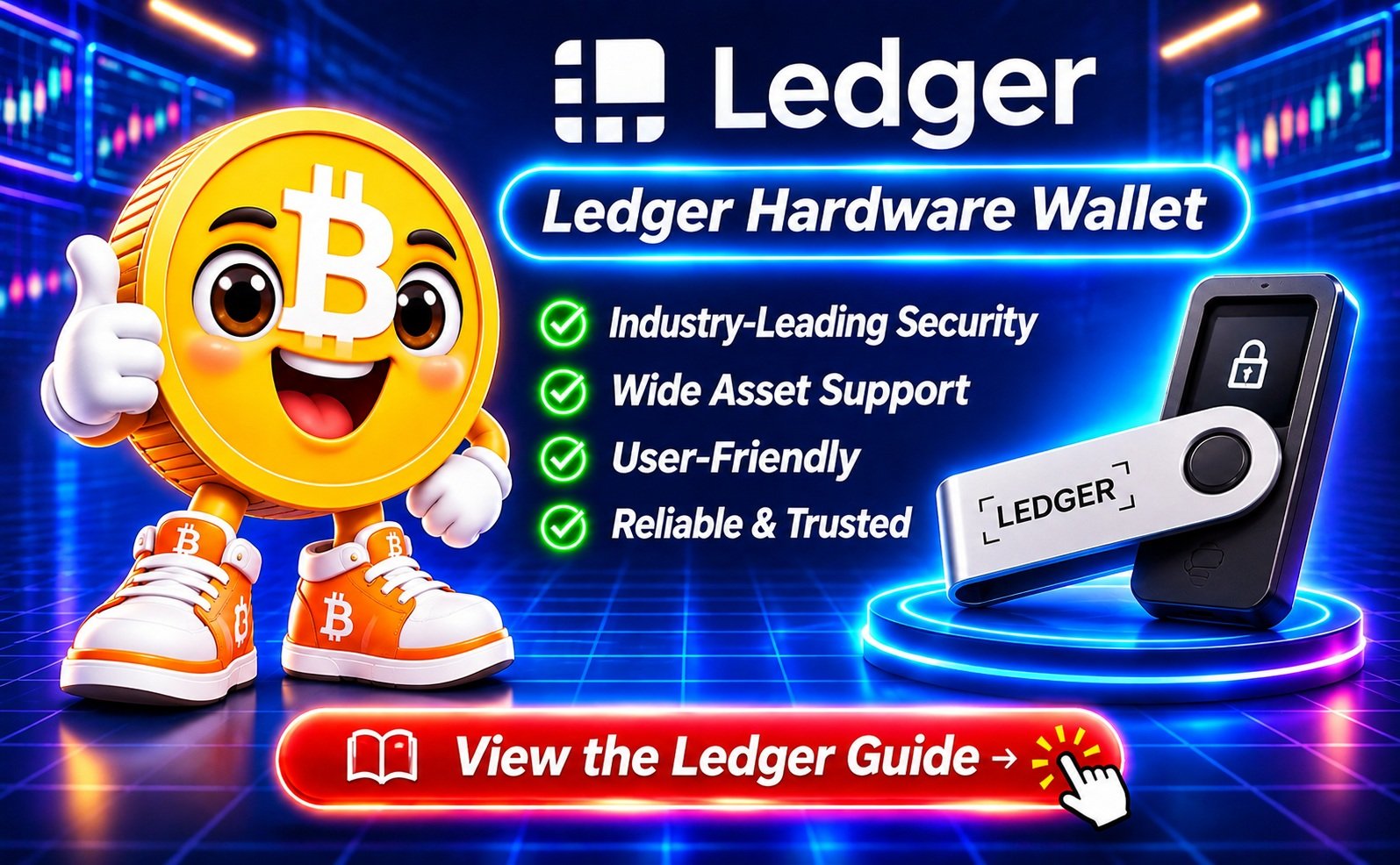
Read the Ledger Hardware Wallet Guide
Trezor Hardware Wallet
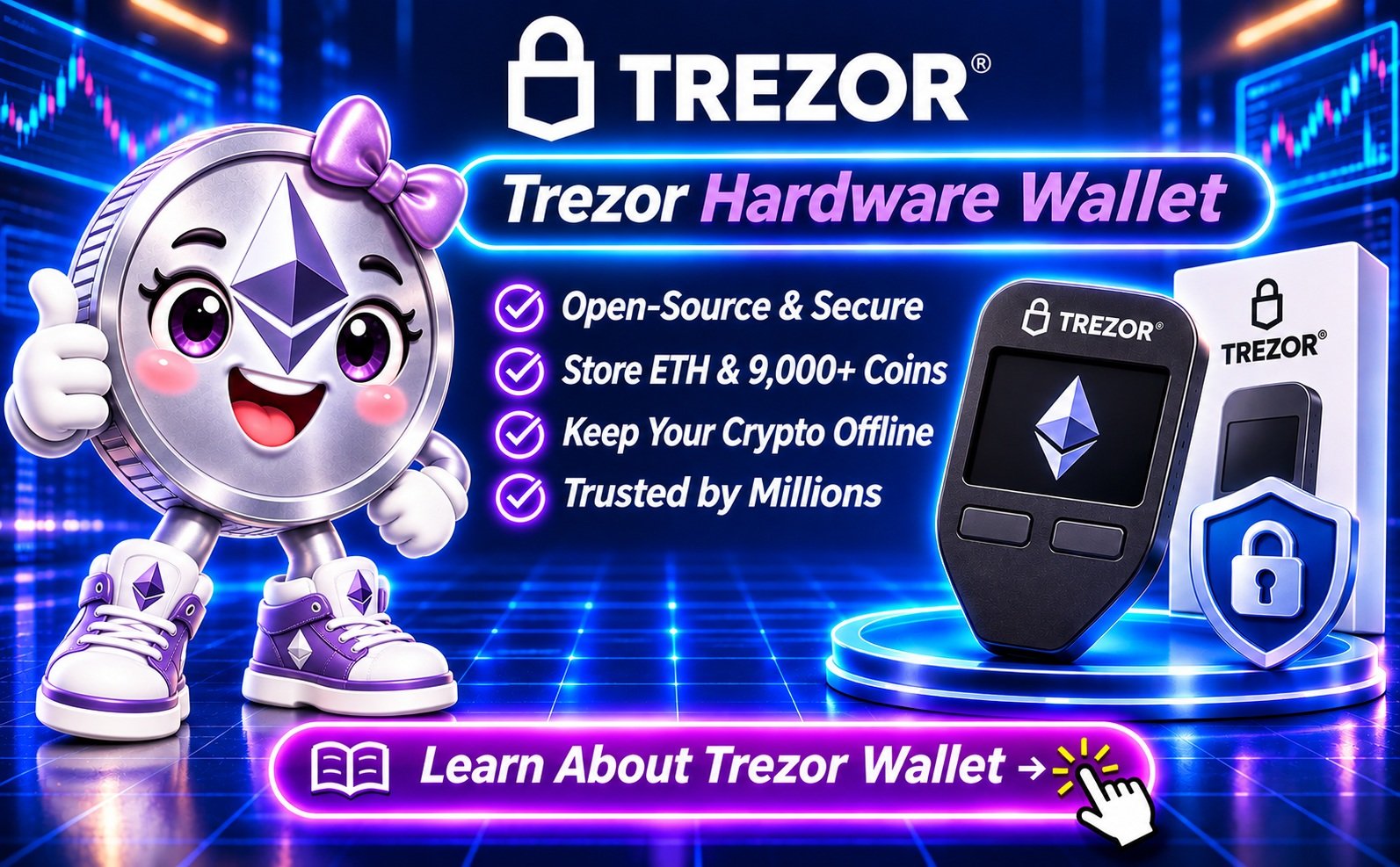
Read the Trezor Hardware Wallet Guide
Tangem Hardware Wallet
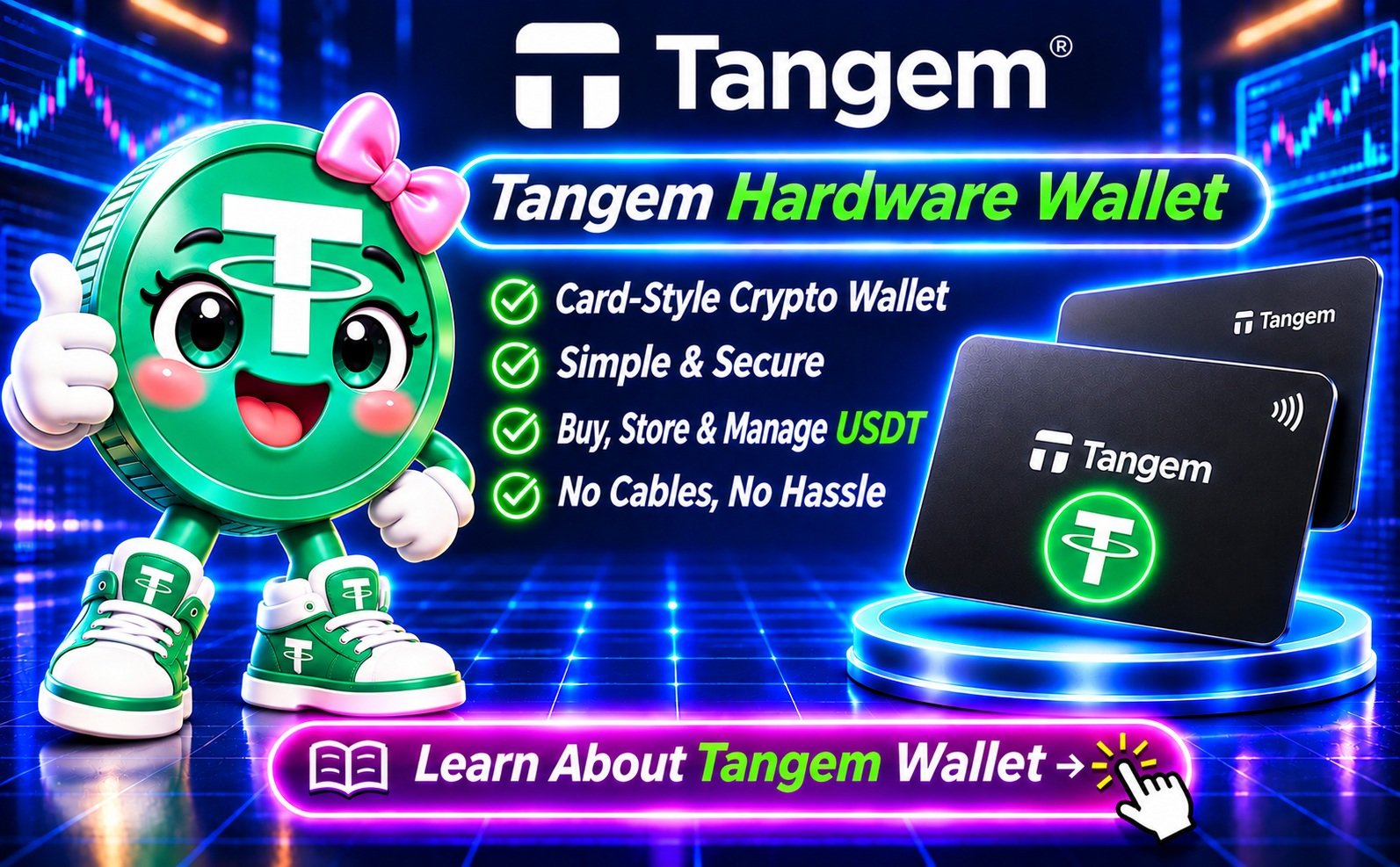
Read the Tangem Hardware Wallet Guide
Ledger vs Trezor vs Tangem: Quick Comparison
| Feature | Ledger | Trezor | Tangem |
|---|---|---|---|
| Design | Dedicated hardware devices | Dedicated hardware devices | NFC smart cards |
| Security | Secure Element-based | Open-source emphasis and model-specific security hardware | Secure Element-based |
| Display | Integrated device display | Integrated device display | Smartphone application |
| Backup | Supported recovery phrases and other arrangements | Recovery phrases and selected multi-share backups | Backup cards or supported recovery phrases |
| Connection | Model-dependent USB and wireless | Model-dependent connections | NFC smartphone connection |
| Key Consideration | Device ecosystem and transaction verification | Firmware transparency and recovery flexibility | Mobile convenience and card management |
Features vary by model, firmware, and supported application. No hardware wallet is universally safest.
Which Hardware Wallet Should You Consider?
Ledger: Offers multiple hardware designs with dedicated security chips and device-based transaction confirmation.
Trezor: Emphasizes open-source firmware, dedicated signing hardware, and selected multi-share recovery options.
Tangem: Uses compact NFC smart cards and a smartphone application, with supported seedless backup arrangements.
The appropriate choice depends on supported cryptocurrencies, device compatibility, recovery preferences, and individual security requirements.
Essential Hardware Wallet Security Tips
- Purchase devices through verified manufacturer or authorized sales channels.
- Protect recovery phrases and authorized backup cards.
- Never use preconfigured recovery credentials supplied by unknown sellers.
- Verify cryptocurrency addresses, blockchain networks, and transaction permissions.
- Use verified wallet applications and supported security updates.
- Understand the recovery procedure before transferring valuable assets.
Frequently Asked Questions
Which hardware wallet is the safest?
No device is universally safest. Security depends on hardware architecture, recovery procedures, firmware, and user practices.
What happens if I lose my hardware wallet?
Access may be restored through a compatible recovery method if the necessary credentials or authorized backup devices remain available.
Does Tangem require a recovery phrase?
Not always. Supported seedless configurations use authorized backup cards, while compatible products may offer recovery phrase-based options.
Can hardware wallets prevent cryptocurrency losses?
They can reduce certain private-key exposure risks but cannot prevent market losses, phishing, malicious transaction approvals, or every security threat.
Key Takeaways
- Ledger emphasizes dedicated security hardware and multiple device designs.
- Trezor emphasizes firmware transparency and supported recovery flexibility.
- Tangem emphasizes NFC cards and smartphone-based operation.
- Backup protection and careful transaction verification are essential for all three.
Related Crypto Privacy and Security Guides
Explore additional CryptoWikiHub guides covering online privacy and security tools for cryptocurrency users.
- NordVPN for Crypto Trading — Explore VPN privacy features and online security considerations.
- ExpressVPN for Crypto Trading — Learn about encrypted connections, privacy tools, and their limitations.
- Surfshark for Crypto Trading — Review VPN security features, device compatibility, and privacy considerations.
VPN services cannot guarantee anonymity, prevent cryptocurrency losses, or make geographically restricted financial services legally available.
Affiliate, Illustration and Legal Disclaimer
Affiliate disclosure: CryptoWikiHub participates in affiliate programs involving Ledger, Trezor, and Tangem. This comparison links to internal educational guides, which may contain affiliate links. CryptoWikiHub may receive commissions from qualifying purchases. Affiliate compensation does not guarantee discounts, product suitability, or security.
AI illustration notice: The three images are original CryptoWikiHub AI-generated educational illustrations. They are not verified product photographs, official advertisements, or exact technical representations. Trademarks belong to their respective owners.
Security and self-custody risks: Hardware wallets cannot guarantee complete protection. Lost recovery information, compromised backup devices, phishing, malicious transaction approvals, and incorrect transfers may cause permanent asset loss.
Product information: Device specifications, recovery methods, supported assets, software compatibility, and availability may change. Readers should verify current manufacturer information.
Financial risk: Hardware wallets do not protect against cryptocurrency market volatility, token failures, or investment losses.
Final notice: This article is for general educational purposes only and does not constitute investment, financial, legal, tax, or personalized cybersecurity advice. No manufacturer is universally recommended or guaranteed to be secure.